

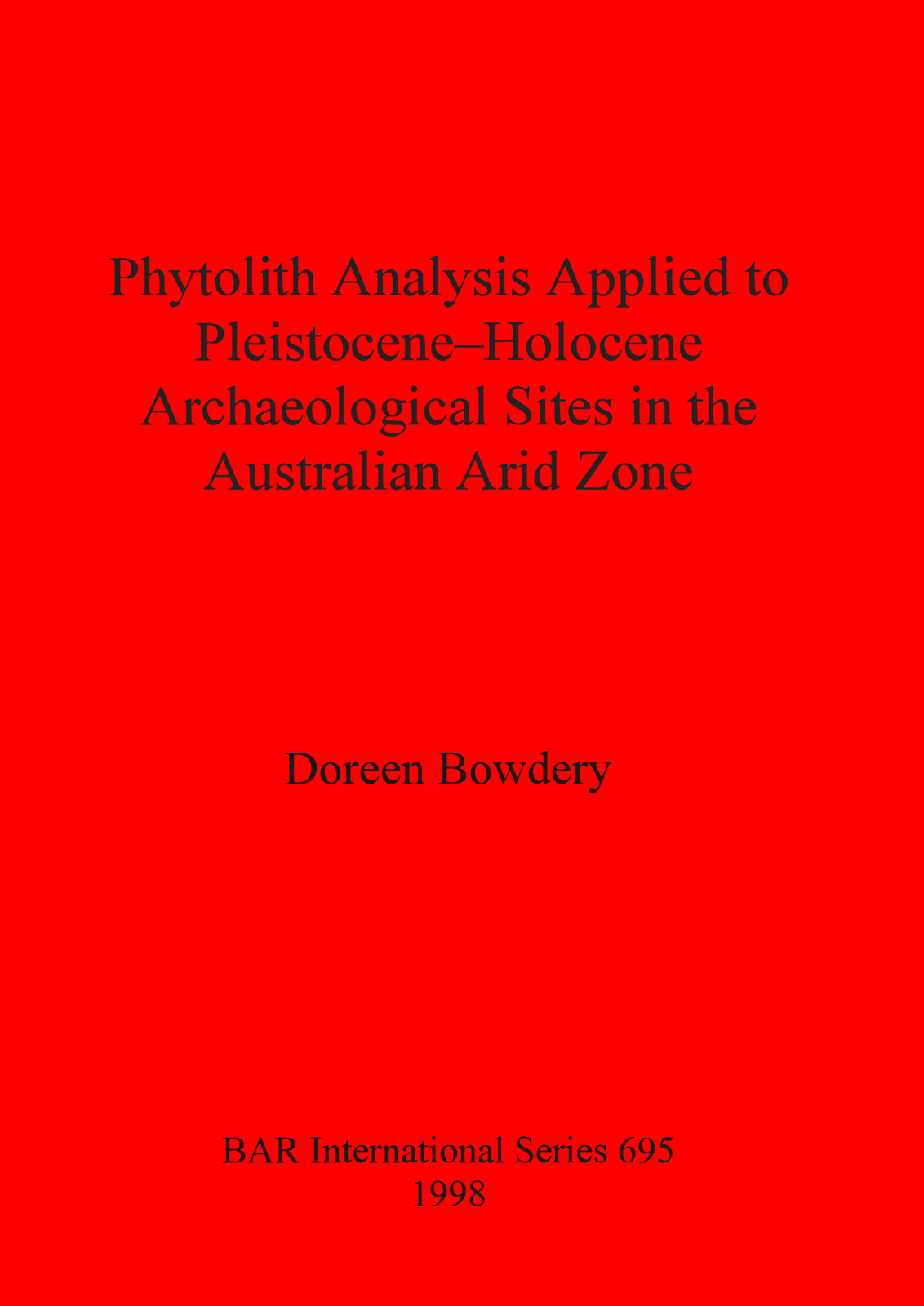
Phytolith Analysis Applied to Pleistocene-Holocene Archaeological Sites in the Australian Arid Zone
Written by Doreen Bowdery
€49.20 – €62.40
Description
To explore the potential for phytolith analysis in Australian arid zone sediments silica phytoliths (plant microfossils) were isolated from archaeological sediments collected at three arid zone sites. Line drawings of phytoliths extracted from archaeological deposits and contemporary plant material provided a reference point for purposes of classification, analysis and quantification. Various changes in these phytoliths were observed from the earliest occupation through to the Holocene, which correlate with changes in lithic artefacts. In particular, the appearance of grass seed grinders was recorded in the cultural assemblage after the introduction of new grass taxa. The timing of the change has some correlation with the final inundation of the land barrier to the north and sea level stabilisation. Other analyses suggest a continuous reduction in precipitation. These positive results indicate that phytolith analysis has great potential in arid areas, providing a window into vegetation history and contributing data to an archaeological site history.
You might also like...
-
Plant Exploitation on Epipalaeolithic and Early Neolithic Sites in the Levant
Sue ColledgePrint Book €73.20
PDF eBook €56.40 -

The Transition from Foraging to Farming and the Origin of Agriculture in China
Tracey Lie Dan LuPrint Book €69.60
PDF eBook €54.00 -
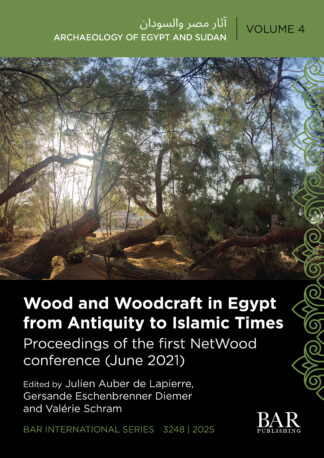
Wood and Woodcraft in Egypt from Antiquity to Islamic Times
Julien Auber de LapierrePrint Book €67.20
PDF eBook €51.60 -
The Early Farmers of Transkei, Southern Africa
J. M. FeelyPrint Book €42.00
PDF eBook €33.60 -
The Environment of Man
Martin Jones and Geoffrey DimblebyPrint Book €90.00
PDF eBook €69.60

