

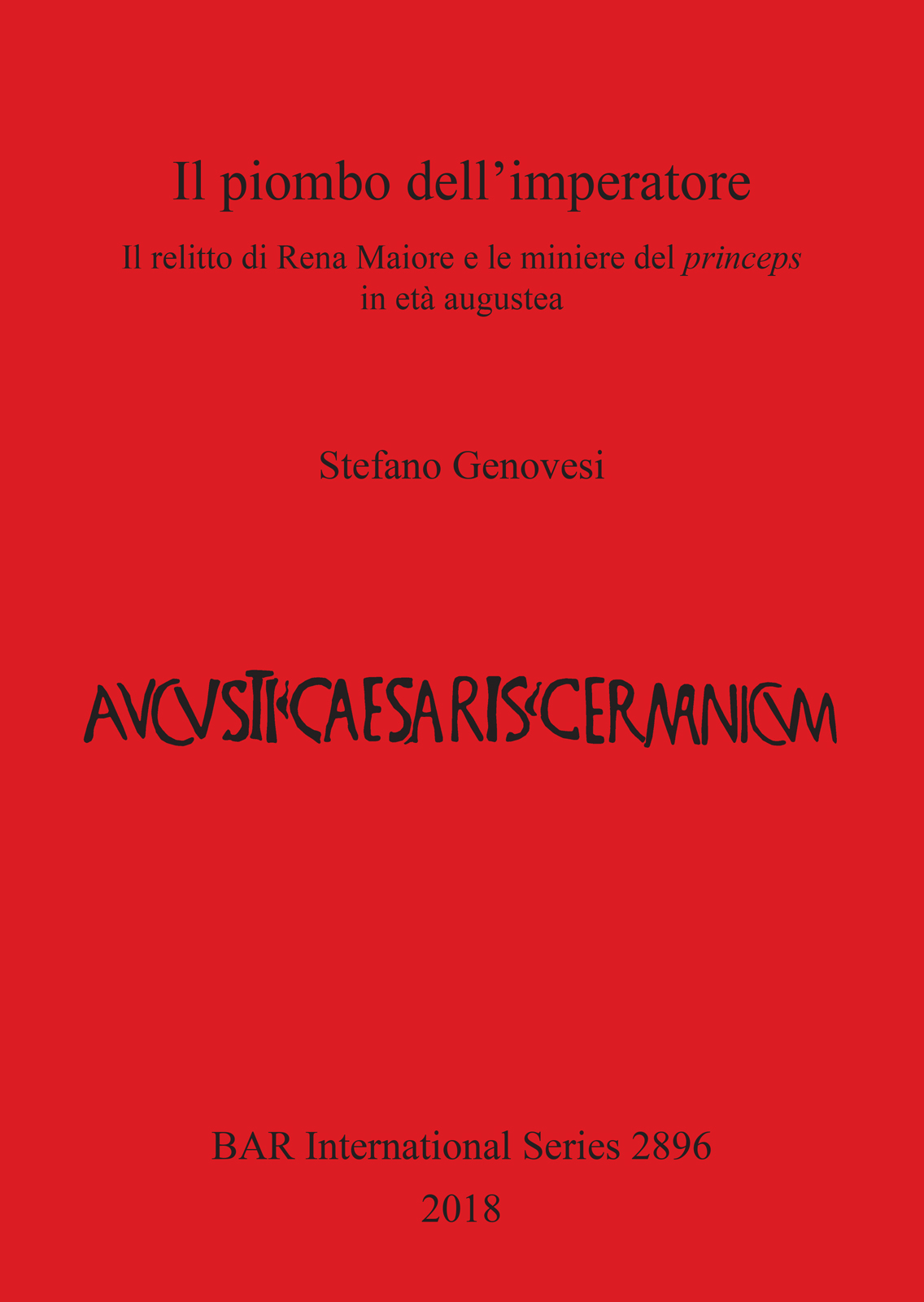
Il piombo dell’imperatore
Il relitto di Rena Maiore e le miniere del princeps in età augustea
Written by Stefano Genovesi
£46.00 – £59.00
Description
Il libro prende spunto dallo studio dei reperti del relitto di Rena Maiore, scoperto nel 1997 lungo le coste nord-occidentali della Sardegna. La parte del carico, costituita da 72 lingotti di piombo e 4 serbatoi di piombo (cistae), ne mette in luce il ruolo svolto dal lancio sia per uso privato che come metallo strettamente legato alla politica di consenso promossa da Augusto. Le 4 cistae possono essere messe in relazione con l’attività di almeno due plumbarii, che si trovano nella città di Arelate/Arles, nella parte meridionale della Francia. Un gruppo di lingotti, recanti il bollo Augusti Caesaris Germanicum plumbum, identifica la Germania come la provincia dove si trovavano le miniere. Anche se la maggior parte del territorio provinciale si è persa dopo la sconfitta teutoburgica, il governo romano è riuscito a pianificare e avviare, subito dopo l’invasione, lo sfruttamento delle fonti naturali situate nel paese.
This book stems from the study of the finds from the Rena Maiore wreck, discovered in 1997 along the north-western coast of Sardinia. The surviving part of the cargo, consisting of 72 lead ingots and 4 lead tanks (cistae), sheds light on the role played by lead both in private use and as a metal strictly connected to the Augustan ‘consensus’ policy. The cistae can be related to certain plumbarii workshops located in the town of Arelate/Arles, in the southern part of France. A group of ingots, bearing the stamp Augusti Caesaris Germanicum plumbum, identifies Germany as the province where the mines were located. Even if most of the province’s territory was lost after the Teutoburg defeat, the Roman government was able to plan, soon after the invasion, the exploitation of the natural sources located in the region.
About the Author
Stefano Genovesi, archeologo classico, dottore di ricerca in storia, ha preso parte a numerosi scavi, in particolare di siti di età romana ubicati lungo le coste nell’Etruria settentrionale; il suo campo di studi si concentra sulla storia economica e la topografia. È attualmente curatore del Museo Archeologico di Cecina (Livorno). Stefano Genovesi, a classical archaeologist and PhD research fellow in History, has taken part in many excavations, in particular at Roman sites located along the coasts of northern Etruria. His research interests focus on economic history and topography. He is currently curator of the Archaeological Museum of Cecina (Livorno).Reviews
‘This work contains many elements of originality, thanks to the author’s ability to link archaeological data and written sources in a wide historical perspective.’ Prof. Cesare Letta, Università di Pisa ‘This study delves into the archaeological and epigraphic analysis of [the archaeometallurgical materials studied], and extracts data of great relevance.’ Prof. Dr Juan Aurelio Pérez Macías, Universidad de HuelvaYou might also like...
-
Transforming historical landscapes in the ancient empires
B. Antela-Bernárdez and T. Ñaco del HoyoPrint Book £70.00
PDF eBook £54.00 -
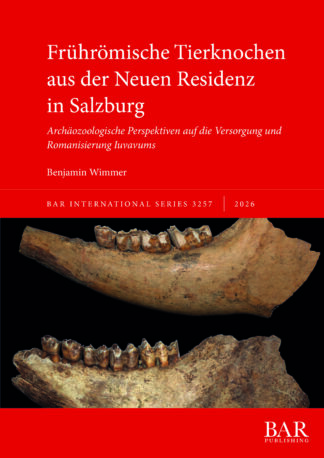
Frührömische Tierknochen aus der Neuen Residenz in Salzburg
Benjamin WimmerPrint Book £83.00
PDF eBook £64.00 -
Romans in the Middle and Lower Danube Valley, 1st century BC–5th century AD
Eric C. De Sena and Calin TimocPrint Book £38.00
PDF eBook £30.00 -
How Leaded Bronze Transformed China, 2000-1000 BCE
Limin HuanPrint Book £56.00
PDF eBook £44.00 -
Le miniere delle Alpi Apuane (Toscana)
Marco BaldiPrint Book £69.00
PDF eBook £54.00

