


Derrycarhoon
A later Bronze Age copper mine in south-west Ireland
Written by William O’Brien
$58.80 – $90.00
Description
Derrycarhoon is the first copper mine discovered in Ireland from the later Bronze Age. This book presents the results of recent archaeological survey and excavation of a small multi-period mine in the Cork region, along with details of landscape setting, bedrock geology, mineralisation and palaeoecology. The recent history of mining and prospection at Derrycarhoon is examined, beginning with the discovery in 1846 of so-called ‘Danish Mines’ now dated c.1300-1000 BC. The technology and operation of the early mine is considered, as well as its significance for the supply of copper in Bronze Age Ireland. The wider context is explored in relation to contemporary farm settlement in the region, with particular reference to the religious monuments of those communities. That settlement landscape was connected to regional trade networks controlled by emerging hillfort chiefdoms, at a time of growing militarism and pressure on metal supply in Ireland.
About the Author
William O'Brien is Professor of Archaeology in University College Cork. His research interests focus on the Chalcolithic and Bronze Age in Ireland, early metal mining and exchange networks in Atlantic Europe, hillforts and prehistoric warfare. Previous books include studies of the Mount Gabriel and Ross Island mines in south-west Ireland, and a survey of prehistoric copper mining in Europe published in 2015.Reviews
‘Gaining an understanding of the indigenous Derrycarhoon copper mine against a backdrop of continental copper imports is invaluable. Despite the mine’s small size the fascinating archaeological evidence produced makes an important contribution to our understanding of Bronze Age copper mining and its broader context in the landscape. This work can be regarded as a model for the study of any prehistoric mining site.’ Dr Alan Williams, University of Durham ‘The project draws on an impressive range of historic, archaeological, and environmental sources and methods. It is a model example of a holistic, landscape study. Researchers will come to this volume for both the empirical research and its thoughtful consideration of later Bronze Age mining, metalwork supply and exchange, and the political economy.’ Professor Bob Johnston, University of SheffieldYou might also like...
-
Tierdarstellungen der prähistorischen Metallzeiten in Bayern
Manuela WagnerPrint Book $64.80
PDF eBook $51.80 -
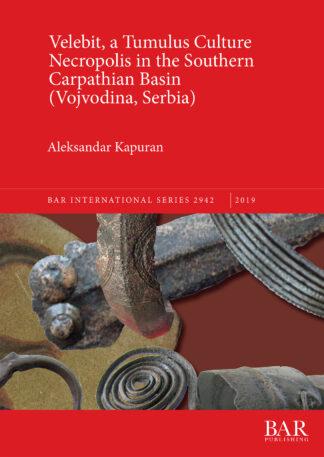
Velebit, a Tumulus Culture Necropolis in the Southern Carpathian Basin (Vojvodina, Serbia)
Aleksandar KapuranPrint Book $39.15 -
The Paleoeconomy of the Central Balkans (Serbia), Parts i and ii
Haskel J. GreenfieldMulti-volume Print Books Original price was: $124.20.$124.20Current price is: $124.20.
PDF eBook $100.80 -
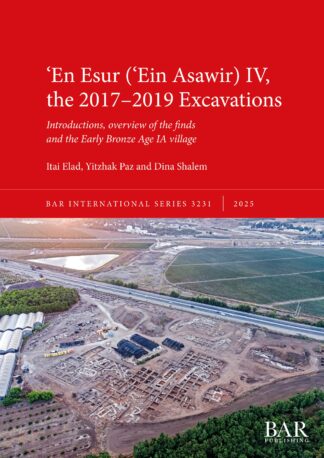
ʻEn Esur (ʻEin Asawir) IV, the 2017–2019 Excavations
Itai EladPrint Book $138.00
PDF eBook $99.40 -
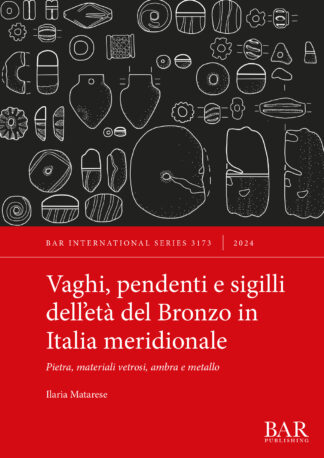
Vaghi, pendenti e sigilli dell’età del Bronzo in Italia meridionale
Ilaria MataresePrint Book $115.50
PDF eBook $82.60

