

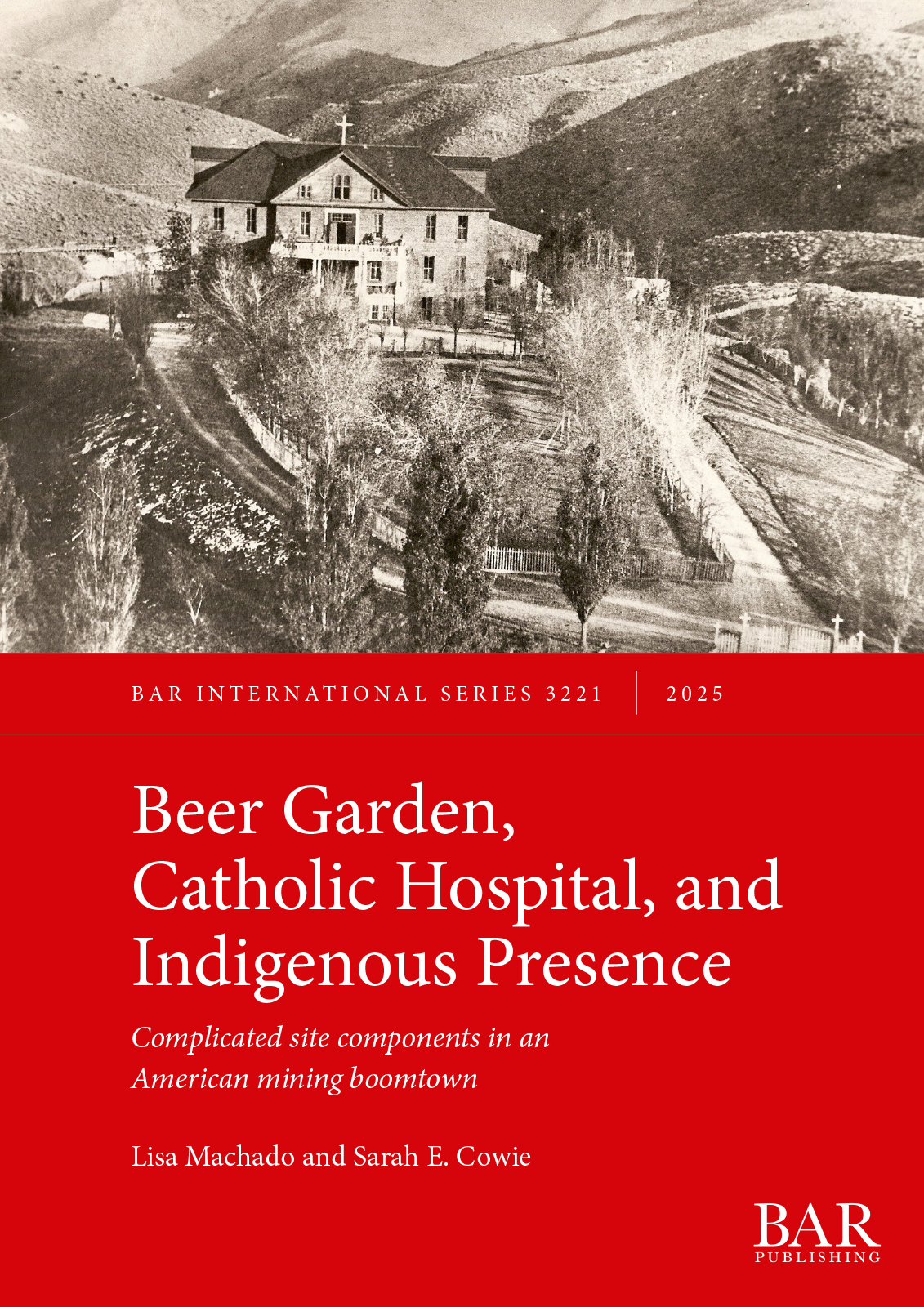
Beer Garden, Catholic Hospital, and Indigenous Presence
Complicated site components in an American mining boomtown
Written by Lisa Machado and Sarah E. Cowie
€39.60 – €55.20
Description
American mining boomtowns changed substantially over a short period of time, offering insights into site-specific changes alongside global industrial capitalism. The initial goal of this project was to explore St. Mary’s Hospital, which was situated within the convergence of religious and capitalist ideals in establishing much-needed health care in Virginia City, Nevada, a boomtown internationally recognized for its explosive wealth and technological innovations. The Daughters of Charity of St. Vincent DePaul aligned their religious values of service with mining barons’ need for a healthy workforce. Common to historic-era sites, excavation revealed additional components, including the site’s earlier use as a beer garden and at least two periods of Indigenous presence. This volume is framed by a preface situating it within recent work on archaeologies of care and healthcare, archaeology of entertainment sites, and public archaeology involving descendant communities.
About the Author
Lisa Machado is a Senior Cultural Resources Officer for the California State Water Resources Control Board. Her research interests include institutional and industrial archaeology.
Sarah E. Cowie is Associate Professor of Anthropology at the University of Nevada-Reno, and specializes in social theory, historic working communities, and indigenizing archaeological practice.
Reviews
‘The tumultuous and contingent history of boomtowns often produces strange bedfellows. Lisa Machado and Sarah Cowie’s meticulous work documenting the long history of the St. Mary’s Hospital site in Virginia City, Nevada reveals how the history of care, entertainment, faith, migration, and the Indigenous population can occupy the same site over its long history.’ William Caraher, Associate Professor of History and American Indian Studies, University of North Dakota
You might also like...
-
The Future is Indigenous
Stories from the new Native North America Hall at the Field MuseumEdited by Alaka Wali and Tom SkwerskiPrint Book €86.00
PDF eBook -
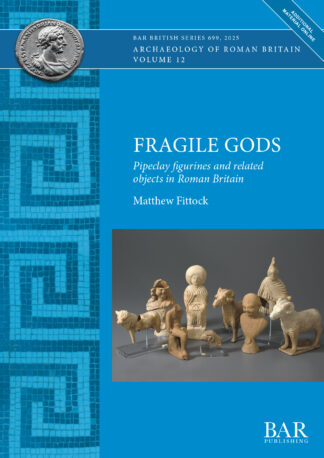
Fragile Gods
Pipeclay figurines and related objects in Roman BritainWritten by Matthew FittockPrint Book €98.00
PDF eBook €75.60 -
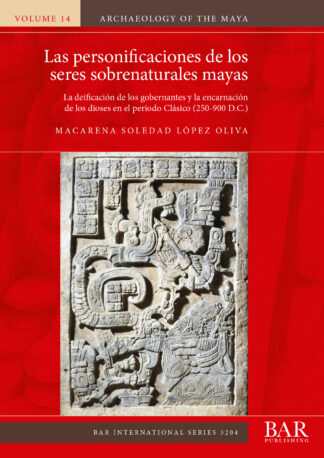
Las personificaciones de los seres sobrenaturales mayas
La Deificación de los Gobernantes y la Encarnación de los Dioses en el Periodo Clásico (250-900 D.C.)Written by Macarena Soledad López OlivaPDF eBook €110.40
Print Book €144.00 -
The Contemporary Archaeology of Inequality
Material culture and social changeEdited by Tuuli Matila, Marika Hyttinen and Oula SeitsonenPrint Book €40.80
PDF eBook €31.20 -
The Waterberg Plateau in the Northern Province, Republic of South Africa, in the Later Stone Age
Written by Maria M. Van der RystPrint Book €52.00
PDF eBook €37.20

