

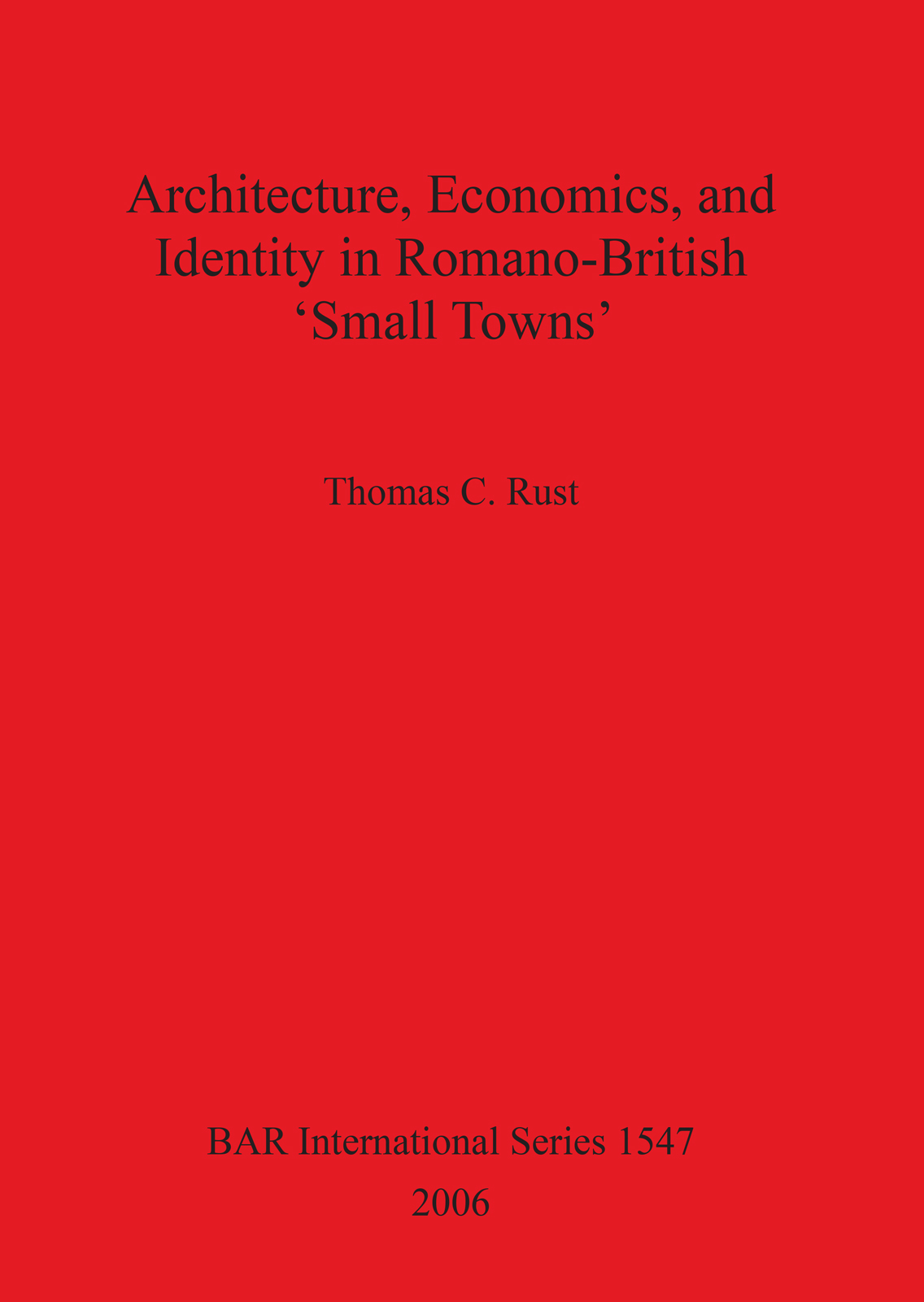
Architecture, Economics, and Identity in Romano-British ‘Small Towns’
Written by Thomas C. Rust
£54.00 – £70.00
Description
By examining the development of architecture in the small towns of Roman Britain, this work seeks to shed light on the socio-economic backgrounds of the growth of these towns. Focusing on the process rather than the end result, the author demonstrates that these processes reflected socio-economic complexities ignored under the idea of ‘Romanization’. The saliency of a Roman identity was not equally strong at every site, nor was the investment required to produce stone architecture the same. Many different identities remained present at each site, even those with masonry traditions. The choice in architecture was not a benchmark of Roman identity but rather part of a larger process whereby individuals negotiated personal and civic meaning for the roles they played. Economic forces also affected that negotiation process and consequently its architectural manifestations. Thus, the resonance of identity with the economic factors unique to each town resulted in architectural traditions.
You might also like...
-
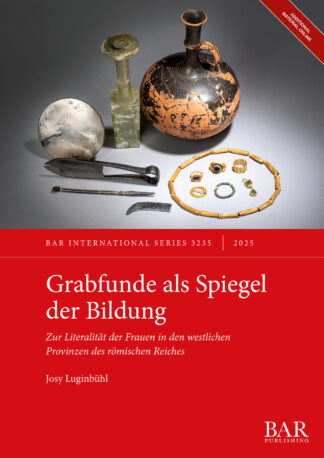
Grabfunde als Spiegel der Bildung
Josy LuginbühlPrint Book £89.00
PDF eBook -
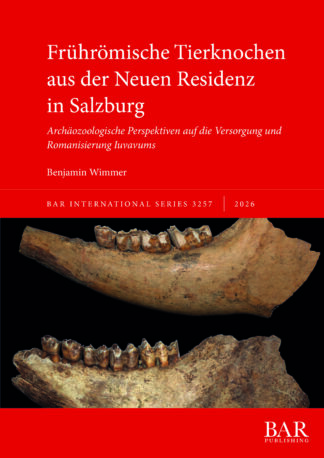
Frührömische Tierknochen aus der Neuen Residenz in Salzburg
Benjamin WimmerPrint Book £83.00
PDF eBook £64.00 -
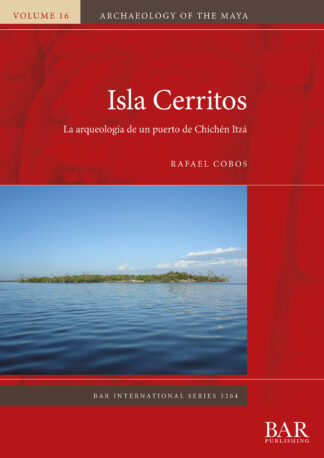
Isla Cerritos
Rafael CobosPrint Book £54.00
PDF eBook £42.00 -
Questioning Hadrian’s Wall
Paul KitchingPrint Book £53.00
PDF eBook £41.00 -
Ladders and Axes of the American Southwest’s Pueblo Region, 400–1900 CE
Richard V. N. AhlstromPrint Book £43.00
PDF eBook £33.00

