

Archaeology and Entomology in the Eastern Mediterranean
Research into the history of insect synanthropy in Greece and Egypt
Written by Eva Panagiotakopulu
€37.20 – €46.80
Description
This work examines fossil insects from the excavation of Late Bronze Age Akrotiri, Santorini, Greece, and from an Egyptian site of Roman age, Mons Claudianus. Insect samples from ancient Egyptian botanical material and coprolites from Tut’ankhamun’s Workmen’s village are also discussed. As most of the insect material studied was recovered from stored products, the accounts of Classical writers on foodstuff storage are discussed in detail. A study of the archaeoentomology of the Bronze Age settlement excavated on Santorini follows. The insect fauna of the settlement is considered, most of it recovered from the West House at Akrotiri. Highlights include the cocoon of a wild silk moth and a model hive, with discussion of the early evidence for silk-weaving and beekeeping. Finally, a summary of trade in perishable material and its importance for the reconstruction of past cultures shows the value of archaeoentomological research.
You might also like...
-
Early Hominin Landscapes in Northern Pakistan
R. W. DennellPrint Book €110.40
PDF eBook €86.40 -
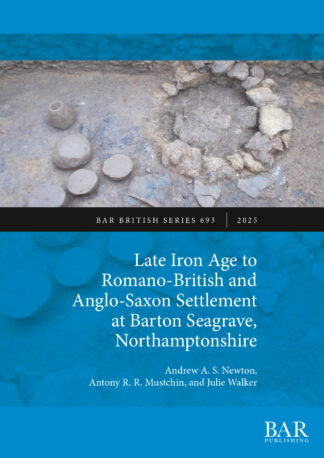
Late Iron Age to Romano-British and Anglo-Saxon Settlement at Barton Seagrave, Northamptonshire
Andrew A. S. NewtonPrint Book €67.20
PDF eBook €52.80 -
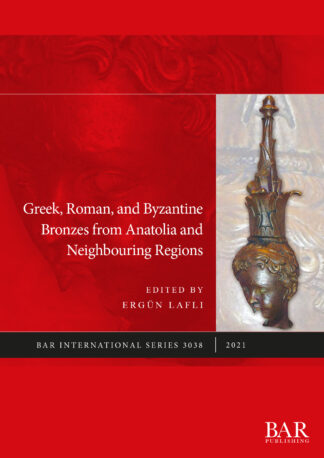
Greek, Roman, and Byzantine Bronzes from Anatolia and Neighbouring Regions
Ergün LaflıPrint Book €116.40
PDF eBook €90.00 -
Seafaring on the Ancient Mediterranean
Alec TilleyPrint Book €45.60
PDF eBook €36.00 -
Roman Military Stone-built Granaries in Britain
Anne P. GentryPrint Book €31.20
PDF eBook €25.20

