

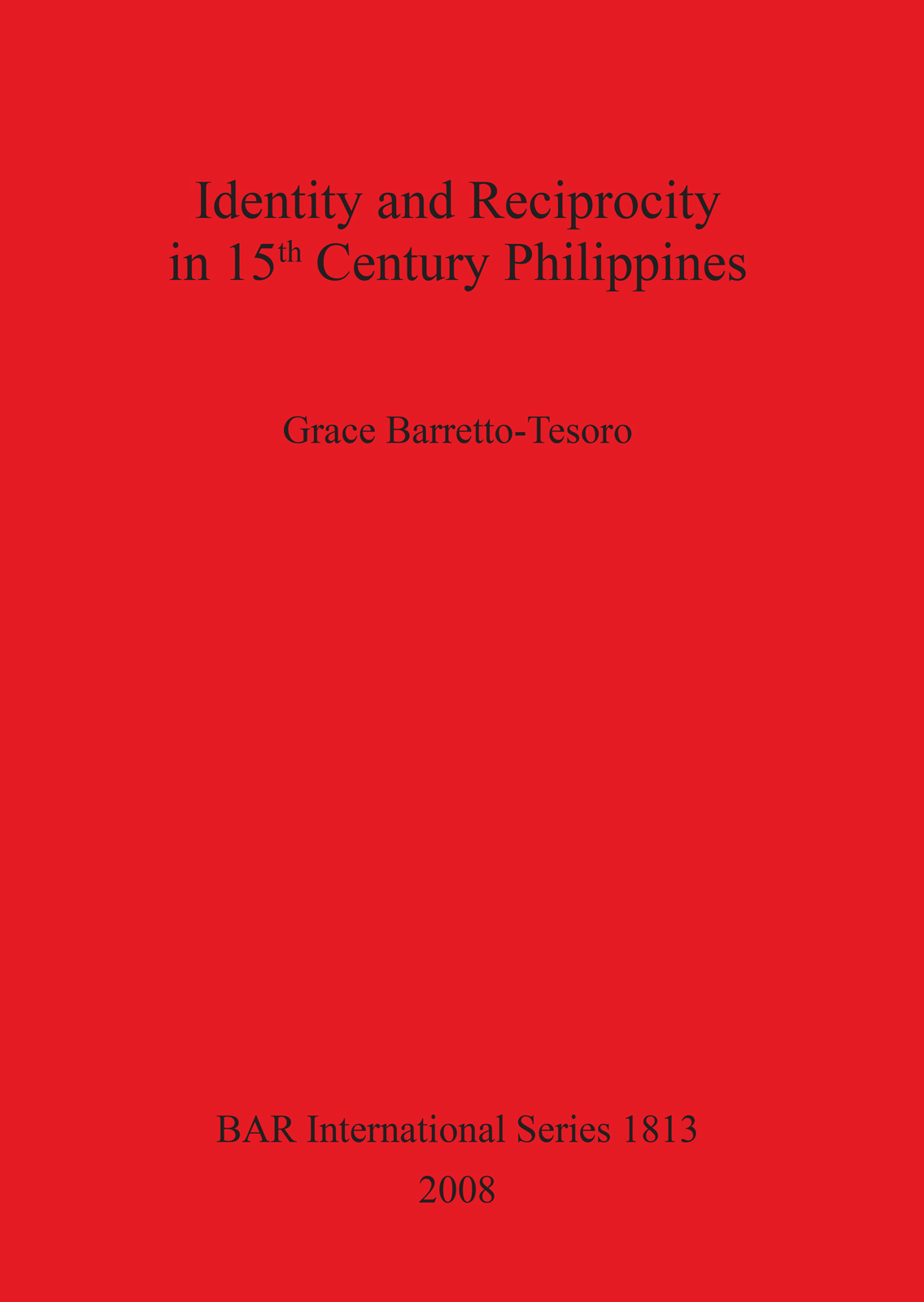
Identity and Reciprocity in 15th Century Philippines
Written by Grace Barretto-Tesoro
£42.00 – £59.00
Description
This work proposes that external trade had different impacts on societies in the Philippines during the 15th century AD, via an agency-perspective approach. It argues that individuals negotiated their identity and status through routines like pottery production and participation in raiding, feasting, trading, and ritual performances. Social relations may be scenes of power, regardless of the status of the parties involved, and such relations may have included spirits. The case study is Calatagan, which comprises several cemeteries along the coast. Based on the ethnohistory of the Tagalogs, the most probable group that occupied Calatagan, identities and statuses were influenced by reciprocity. The author shows that this reciprocity is evident in the mortuary objects from the burials in this region, which represent a spectrum of identities, including cultural affiliation, personal identity relating to age and sex, and prestige or status.
You might also like...
-
The Contemporary Archaeology of Inequality
Tuuli MatilaPrint Book £34.00
PDF eBook £26.00 -
Fragile Gods
Matthew FittockPrint Book £82.00
PDF eBook £63.00 -
Embodying Cosmologies
Laura AhlqvistPrint Book £31.00
PDF eBook £24.00 -
Isla Cerritos
Rafael CobosPrint Book £54.00
PDF eBook £42.00 -
Intangible Cultural Heritage in the Napatan Region and Gebel El-Barkal
Ismail H M ElnourPrint Book £41.00
PDF eBook £32.00

